Related Articles



Dubai is known worldwide for its impressive skyline, modern lifestyle, luxury shopping, and ambitious development. However, the city offers much more than its contemporary appearance suggests today. Behind its modern identity lies a rich cultural heritage shaped by family values, Islamic traditions, hospitality, trade, and community life. Understanding these foundations provides visitors and residents with a deeper appreciation of Dubai. The city’s traditions continue influencing daily life, celebrations, food, architecture, clothing, and social relationships.
Dubai’s culture reflects a fascinating connection between its historic roots and modern international character. The city developed from a small coastal settlement into a global destination while retaining important traditional values. Its people continue celebrating heritage through festivals, customs, traditional markets, cultural neighborhoods, and family gatherings. Learning about these traditions helps people understand why Dubai feels both modern and deeply connected to its past. It also provides a better perspective on the city’s identity and continuing cultural evolution.
1. Understanding Dubai’s Historical Cultural Foundations
Dubai’s cultural identity developed through generations of coastal living, fishing, pearl diving, trading, and desert communities. Before rapid economic development, local families depended heavily upon the sea and surrounding desert. These environments influenced traditional occupations, social structures, food, clothing, and transportation. Understanding this history helps explain many customs still visible throughout Dubai today.
The city’s location contributed significantly to its historical development and cultural connections. Dubai became an important trading destination because of its position along regional maritime routes. Merchants arrived from neighboring regions and established commercial relationships with local communities. This interaction gradually contributed to the city’s diverse social and economic character.
2. The Importance of Family in Dubai’s Society
Family represents one of the strongest foundations of traditional Emirati society and remains highly valued today. Families often maintain close relationships across generations and support one another during important life events. Respect for parents, grandparents, and older relatives remains an important social principle. These relationships help preserve traditions and pass cultural knowledge between generations.
Family gatherings commonly become important occasions for sharing meals, conversations, celebrations, and memories. During religious festivals, relatives often visit each other and exchange greetings or gifts. Such gatherings strengthen relationships while creating opportunities for younger generations to learn traditional customs. Family connections therefore contribute significantly to cultural continuity.
3. Hospitality as a Central Dubai Tradition
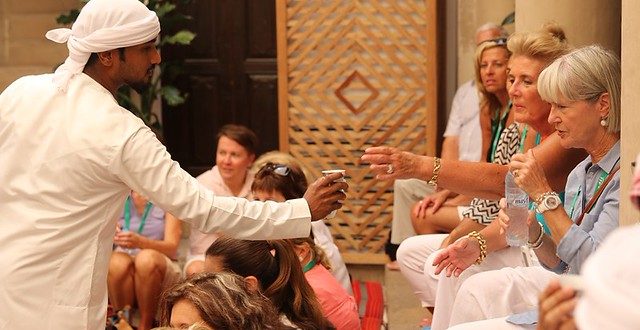
Hospitality is one of the most recognizable characteristics associated with Emirati culture. Welcoming guests warmly represents an important social value within traditional communities. Visitors may receive Arabic coffee, dates, refreshments, and friendly conversation during gatherings. These practices demonstrate generosity and respect toward guests.
Arabic coffee, commonly called gahwa, carries cultural significance beyond being a popular beverage. Preparing and serving coffee can represent hospitality, respect, and social connection. The traditional serving process follows established etiquette and often involves specific gestures. Understanding these customs can help visitors participate respectfully during cultural experiences.
4. Islamic Values and Their Influence on Daily Life
Islam plays an important role in shaping the cultural and social environment of Dubai. Islamic principles influence various aspects of daily life, including religious celebrations, charitable activities, family relationships, and social etiquette. Understanding this influence helps residents and visitors appreciate many traditions encountered throughout the city.
Ramadan represents one of the most significant periods in Dubai’s cultural calendar. During this holy month, Muslims fast from dawn until sunset and focus strongly on prayer, reflection, charity, and community. Daily routines often change during Ramadan, creating a distinctive atmosphere throughout the city. Evening gatherings and shared meals become especially important.
5. Traditional Clothing and Its Cultural Meaning
Traditional Emirati clothing represents another important part of Dubai’s cultural identity. Emirati men commonly wear the kandura, a long flowing garment designed for the region’s climate. Emirati women may wear the abaya, often combined with various styles of head coverings. Clothing choices can reflect modesty, cultural identity, personal taste, and social traditions.
The kandura has practical qualities that suit the region’s hot climate. Its loose design allows airflow while providing comfortable coverage. Different styles may appear during formal occasions, religious celebrations, or everyday activities. Modern fabrics and designs have introduced additional choices while preserving the traditional appearance.
6. Traditional Food and Culinary Heritage
Dubai’s traditional cuisine reflects its geographic location, desert environment, maritime history, and regional relationships. Local dishes commonly include rice, meat, seafood, dates, spices, and vegetables. Recipes have developed through generations and often appear during family gatherings, religious celebrations, and special occasions.
Machboos is one of the well-known dishes associated with Gulf cuisine. It typically combines rice with meat or seafood and aromatic spices. Preparation methods can vary between families and regions. This flexibility demonstrates how culinary traditions remain living practices rather than fixed historical formulas.
7. Traditional Markets and Historic Neighborhoods
Dubai’s traditional markets provide opportunities to experience aspects of the city’s older commercial culture. Souks selling spices, textiles, perfumes, gold, and traditional products remain popular with residents and visitors. These markets reflect Dubai’s longstanding position as an important regional trading center.
The Gold Souk represents one of the city’s most recognizable traditional commercial destinations. Its history connects with Dubai’s development as a regional trading hub. Although the surrounding city has transformed dramatically, the market continues maintaining a strong traditional atmosphere.
8. Arabic Language and Social Etiquette
Arabic remains an important part of the UAE’s national identity and cultural heritage. Although Dubai is highly multilingual because of its international population, Arabic retains strong importance in government, education, culture, and social life. Learning a few Arabic expressions can demonstrate respect toward local culture.
Greetings represent an important part of social etiquette in Dubai. A polite greeting can establish a friendly and respectful interaction between people. Visitors should observe local customs and follow the other person’s approach when greeting. Respectful communication helps create positive experiences across cultural boundaries.
9. Music, Dance, and Traditional Performances
Traditional music and dance remain important expressions of Emirati heritage. Performances often appear during national celebrations, cultural festivals, weddings, and heritage events. Rhythmic music, poetry, drumming, and coordinated movements can communicate stories and community identity.
Al Ayala is a well-known traditional performance associated with Emirati heritage. Participants often stand in organized rows while performing rhythmic movements with sticks. Drumming and poetic chanting contribute to the performance’s distinctive character. The dance represents unity, cooperation, celebration, and cultural pride.
10. Dubai’s Traditional Architecture and Heritage Buildings
Traditional architecture provides important clues about how earlier generations adapted to Dubai’s environment. Older buildings often incorporated features designed to manage heat and encourage natural ventilation. Courtyards, thick walls, shaded passages, and wind towers helped create more comfortable indoor conditions.
Wind towers, known locally as barjeel, represent an interesting example of traditional environmental design. These structures helped direct air into buildings before modern cooling technologies became widespread. Their design demonstrates how earlier communities responded creatively to Dubai’s challenging climate.
11. The Role of Desert Heritage
Dubai’s relationship with the desert remains an important part of its cultural identity. Desert life influenced transportation, food, clothing, storytelling, trade, and community relationships for generations. Traditional knowledge developed around navigating, surviving, and working within the challenging desert environment.
Camel culture represents another important element of regional heritage. Camels historically provided transportation, milk, food, and economic value to desert communities. Today, camel-related traditions remain visible through cultural experiences, racing events, heritage activities, and traditional celebrations.
12. National Day and Cultural Celebrations
National Day represents a major celebration throughout Dubai and the wider UAE. The occasion commemorates the formation of the United Arab Emirates and encourages expressions of national pride. Streets, buildings, public spaces, and homes may feature national colors and decorations during celebrations.
Events often include cultural performances, family activities, traditional food, exhibitions, and entertainment. These activities bring different generations together while celebrating national achievements. Traditional elements often appear alongside modern celebrations, reflecting the UAE’s combination of heritage and progress.
Other cultural festivals throughout the year also provide opportunities to experience local traditions. Heritage villages, cultural exhibitions, traditional markets, and performances can introduce visitors to different aspects of Emirati history. Such events create accessible opportunities for cultural education.
13. How Dubai Balances Tradition With Modern Life
One of Dubai’s most interesting characteristics is its ability to combine tradition with rapid modernization. The city contains futuristic architecture, advanced transportation, international businesses, and diverse communities. At the same time, traditional markets, mosques, family customs, and heritage neighborhoods remain visible.
This balance reflects Dubai’s approach to development and cultural identity. Modernization has not completely replaced traditional practices. Instead, many customs have adapted to changing lifestyles and technologies. Families may use modern communication methods while continuing traditional celebrations and social relationships.
14. Respecting Dubai’s Cultural Values as a Visitor
Visitors can enjoy Dubai more meaningfully by learning basic cultural expectations before exploring the city. Respectful clothing, polite communication, appropriate photography, and consideration for religious practices can improve cultural experiences. Awareness demonstrates appreciation rather than simply observing traditions from an outside perspective.
During religious periods, visitors should remain considerate of people practicing their faith. Public behavior should reflect local expectations and respect the significance of religious occasions. Asking questions respectfully can help visitors understand unfamiliar practices without creating misunderstandings.
15. Why Understanding Dubai’s Culture Matters
Understanding Dubai’s culture provides more than historical knowledge. It helps residents and visitors interpret everyday experiences more accurately. Customs involving greetings, food, clothing, family, religion, and hospitality become easier to appreciate when their background is understood.
Cultural awareness can also strengthen relationships between Dubai’s diverse communities. People who understand local traditions are better prepared to communicate respectfully with Emirati families and communities. This creates opportunities for meaningful interaction beyond tourism and business.
FAQ
What are the main traditions associated with Dubai?
Important traditions include hospitality, family gatherings, Arabic coffee, traditional clothing, Islamic celebrations, local cuisine, poetry, music, dance, and heritage activities. Dubai’s maritime and desert history also contributes significantly to its cultural identity. These traditions continue evolving while remaining connected to earlier generations.
Why is family important in Dubai’s culture?
Family remains an important foundation of Emirati social life. Relatives often maintain close relationships and gather during religious occasions, weddings, holidays, and other important events. Older generations also help pass traditions and cultural knowledge to younger family members.
What traditional food should visitors try in Dubai?
Visitors can explore dishes such as machboos, harees, grilled meats, seafood, dates, and traditional sweets. Arabic coffee is also an important cultural experience. Food preferences and recipes can differ between families, restaurants, and regions throughout the UAE.
How can visitors respect Dubai’s culture?
Visitors should dress appropriately, communicate politely, respect religious practices, and follow photography guidelines. They should also show consideration toward local customs and traditions. Learning simple Arabic greetings can demonstrate cultural appreciation and make social interactions more comfortable.
How does Dubai preserve its traditional culture?
Dubai preserves heritage through museums, historic districts, cultural festivals, traditional markets, performances, educational programs, and family traditions. Heritage architecture and cultural events provide opportunities for younger generations and visitors to learn about the city’s history. Modern development continues alongside these preservation efforts.

